Guide
When Should You Fertilize Your Lawn in Saskatchewan?
The three fertilizer windows that work on a Saskatchewan lawn, why the fall application matters most, and when not to feed at all.
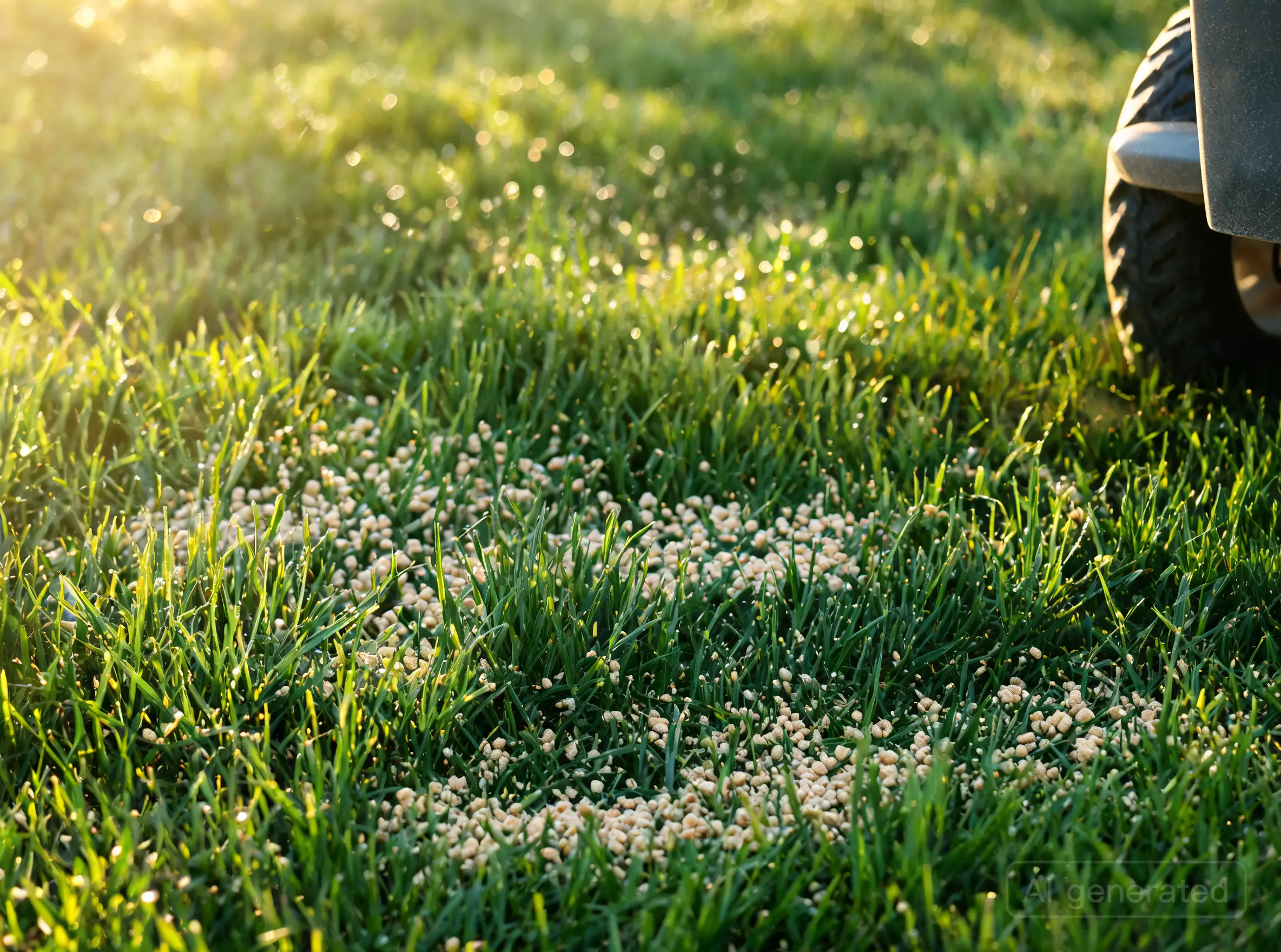
This guide sets out when to fertilize a lawn in Saskatchewan and why the timing differs from the advice written for milder parts of the country. Saskatoon lawns are Kentucky bluegrass in hardiness zone 3b with a growing season of roughly four months, so there are three useful application windows rather than a monthly schedule — and the most valuable one is the fall feeding most homeowners skip. It is written for anyone trying to thicken a thin prairie lawn.
What Are the Three Fertilizer Windows in Saskatchewan?
The first window is late spring, once a Saskatchewan lawn has genuinely greened up and is actively growing — typically the second half of May in Saskatoon. This application supports recovery from winter. Feeding earlier, while the ground is still cold and the grass is barely moving, largely wastes the product because the plant cannot take it up.
The second is early summer, at a reduced rate, to carry the lawn through the growth surge. This one is optional on a healthy lawn and matters more on thin turf that is trying to fill in.
The third is early fall, from late August into September, and it is the most valuable application of the year on the prairies. As temperatures drop, bluegrass shifts its energy from leaf growth into root development and carbohydrate storage, so a feeding at that point goes into building the root system that carries the lawn through winter and out the other side.
Why Is the Fall Application the Most Important One?
A Saskatchewan lawn spends five months under snow, and what determines how it emerges in April is the condition of its root system in October rather than how green it looked in July. The fall feeding is what builds that root system, which is why lawns fed in September come out of winter noticeably denser than lawns fed only in spring.
It also crowds out weeds without any herbicide. A lawn that thickens in the fall has less bare ground in spring, and bare ground is exactly what dandelion and thistle seed colonizes first. The fall application and the fall weed treatment work on the same principle and pair naturally.
This is the application most homeowners miss, because by late August the lawn looks fine, the growing season feels over, and nobody is thinking about the yard. It is the one worth putting in the calendar.
When Should You Not Fertilize a Lawn?
Do not fertilize in the heat of a dry Saskatoon midsummer. In July the lawn is already under drought and heat stress, and pushing it to produce new growth it cannot support with the available water does more harm than good. If a lawn has gone dormant and browned off in July, the answer is water, not fertilizer.
Do not fertilize late in the fall once growth has genuinely stopped. Nitrogen applied to a dormant lawn is not taken up, and much of it simply runs off with the spring melt into the storm system. Late October is too late in Saskatoon.
Do not fertilize a lawn whose real problem is compaction. On heavy Saskatoon clay a hard, thin, water-shedding lawn will not respond to feeding, because the fertilizer sits on a sealed surface and never reaches the roots. Aerate first, then feed — doing it in the other order is spending money in the wrong sequence.
How Should Fertilizer Be Applied?
Use a broadcast or drop spreader calibrated to the product rather than spreading by hand, which produces stripes and burnt patches. Overlap passes slightly and go in one direction, then across, if you want genuinely even coverage on a lawn with visible stripe history.
Water it in afterwards unless rain is imminent. Granular fertilizer sitting dry on the surface does nothing and can burn the leaf blade in sun, particularly on a warm Saskatoon afternoon.
Sweep any granules off the driveway and walks before watering. Fertilizer washed off concrete goes into the storm drain and ends up in the South Saskatchewan River, and it is doing nothing useful for your lawn from there.
Where Does This Fit With the Rest of the Yard?
When Should You Fertilize Your Lawn in Saskatchewan is rarely the only thing a property needs, and the order the work happens in matters more on Saskatoon clay than most people expect. Ground comes first: if water is pooling or running toward the house, grading and drainage is the job to do before anything you can see. Buried services like irrigation go in before surfaces, and sod goes down after the hard landscaping rather than before it.
The jobs most often quoted alongside this one are weed control & fertilizing, lawn aeration and lawn care. Doing them in one visit is usually cheaper than bringing equipment back, because the mobilisation and the machine access are paid for once.
If you are planning the whole property rather than one job, start with a landscape design so the phases are sequenced before anything is built. Otherwise, the full service list covers everything we do, the cost guides explain what drives each price here, and the how-to guides are written for Saskatchewan timing rather than the milder-climate advice most search results give you. We work across Saskatoon and the surrounding area, including Warman, and every quote is free and given on site.
Frequently Asked Questions
How many times a year should I fertilize my lawn in Saskatchewan?
Two or three applications is right for most Saskatoon lawns — late spring, optionally early summer at a reduced rate, and early fall. More than that is unnecessary in a four-month growing season and increases the risk of pushing growth the lawn cannot support through a dry July.
When should you not put fertilizer on your lawn?
Avoid the heat of a dry midsummer, when the lawn is already stressed, and avoid late fall after growth has stopped, when it will not be taken up. Also avoid fertilizing a compacted lawn — the product cannot reach the roots through a sealed clay surface, so aeration has to come first.
What fertilizer should I use on a Saskatoon lawn?
A balanced granular lawn fertilizer suits the spring and summer applications. For the fall feeding, a product formulated for root development rather than top growth is the better choice, since that is what the lawn is doing at that point in the season.
Can I fertilize a new sod lawn?
Wait until it has rooted — generally three to four weeks after installation, once you can no longer lift a corner. New sod is already carrying its own reserves and its priority is establishing roots; feeding it too early pushes leaf growth before the roots can support it.
Will fertilizer get rid of my weeds?
Indirectly and partially. A well-fed, dense lawn crowds out weeds by leaving no bare ground for seed to colonize, which is a genuine long-term effect. It will not remove established dandelion or creeping thistle, which need a targeted treatment applied when the plant is actively moving sugars to its roots.
Do I need to water after fertilizing?
Yes, unless rain is coming. Watering moves granular fertilizer off the leaf blade and into the soil where it can be taken up, and it prevents leaf burn. A thorough watering rather than a light sprinkle is what is needed.
Is organic fertilizer worth using in Saskatchewan?
It works, and it improves soil structure over time, which is a real benefit on Saskatoon clay. The trade-off is that it releases nutrients more slowly, which matters in a short prairie season — the fall application in particular needs to be available to the plant while it is still growing.
Why is my lawn still thin after fertilizing?
Almost always because the underlying problem is compaction rather than fertility. On heavy Saskatoon clay a lawn that sheds water will not respond to feeding, because nothing reaches the root zone. Core aeration followed by overseeding and then feeding is the sequence that actually changes a thin lawn.
Want a number for your own property?
Tell us what you need and where the property is. We come out, look at the ground, and give you a written scope and price — no charge and no obligation.
- Free on-site quotes across Saskatoon
- Prairie-hardy plantings that survive zone 3b winters
- Licensed, insured, and WCB-covered
- One crew for summer yard work and winter snow
- Written scope before a shovel goes in the ground
Services this covers
The work behind this guide, quoted on site and in writing.
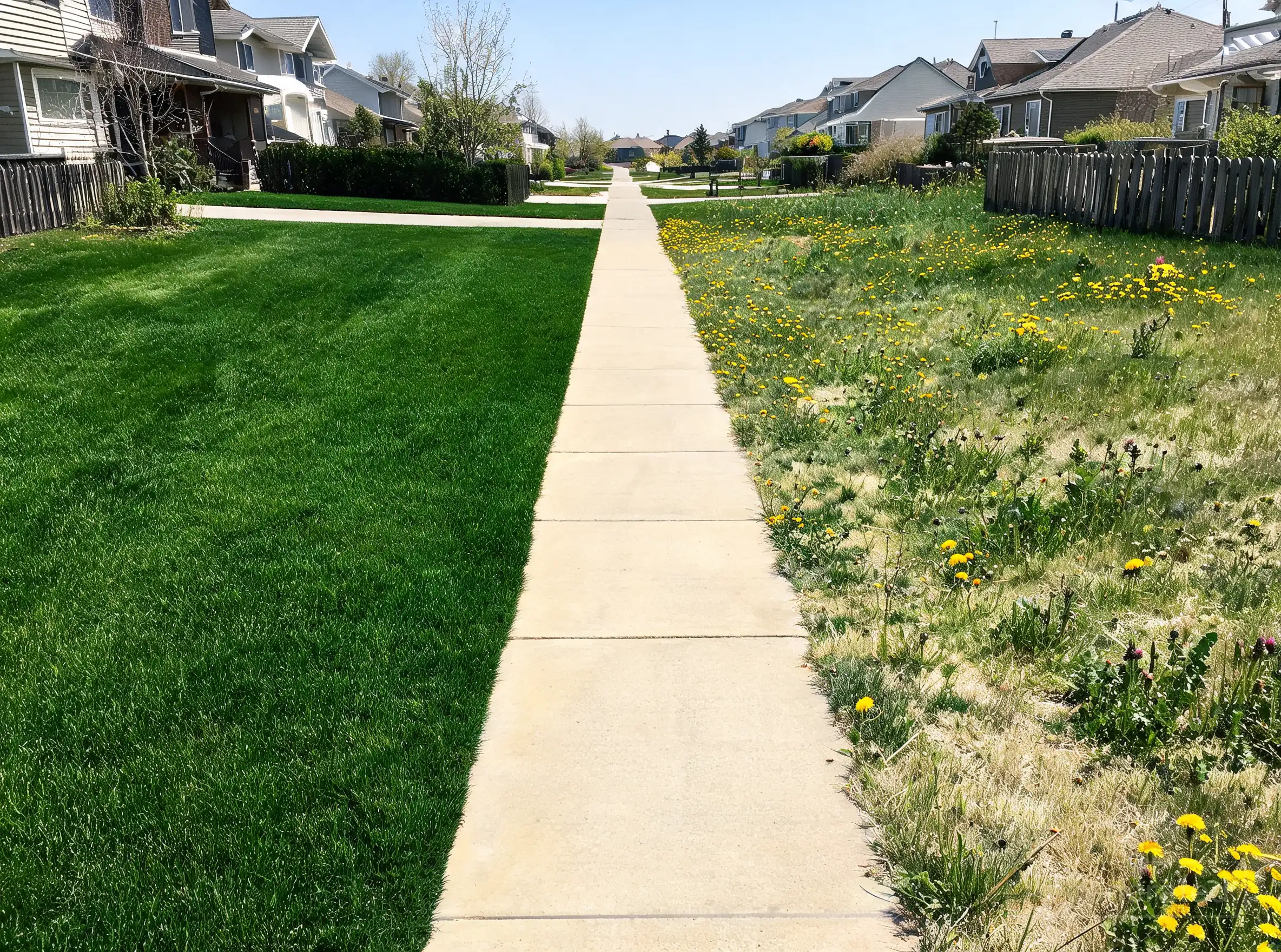
Weed Control & Fertilizing
Scheduled weed control and fertilizer programs built around the Saskatchewan season.
May through September
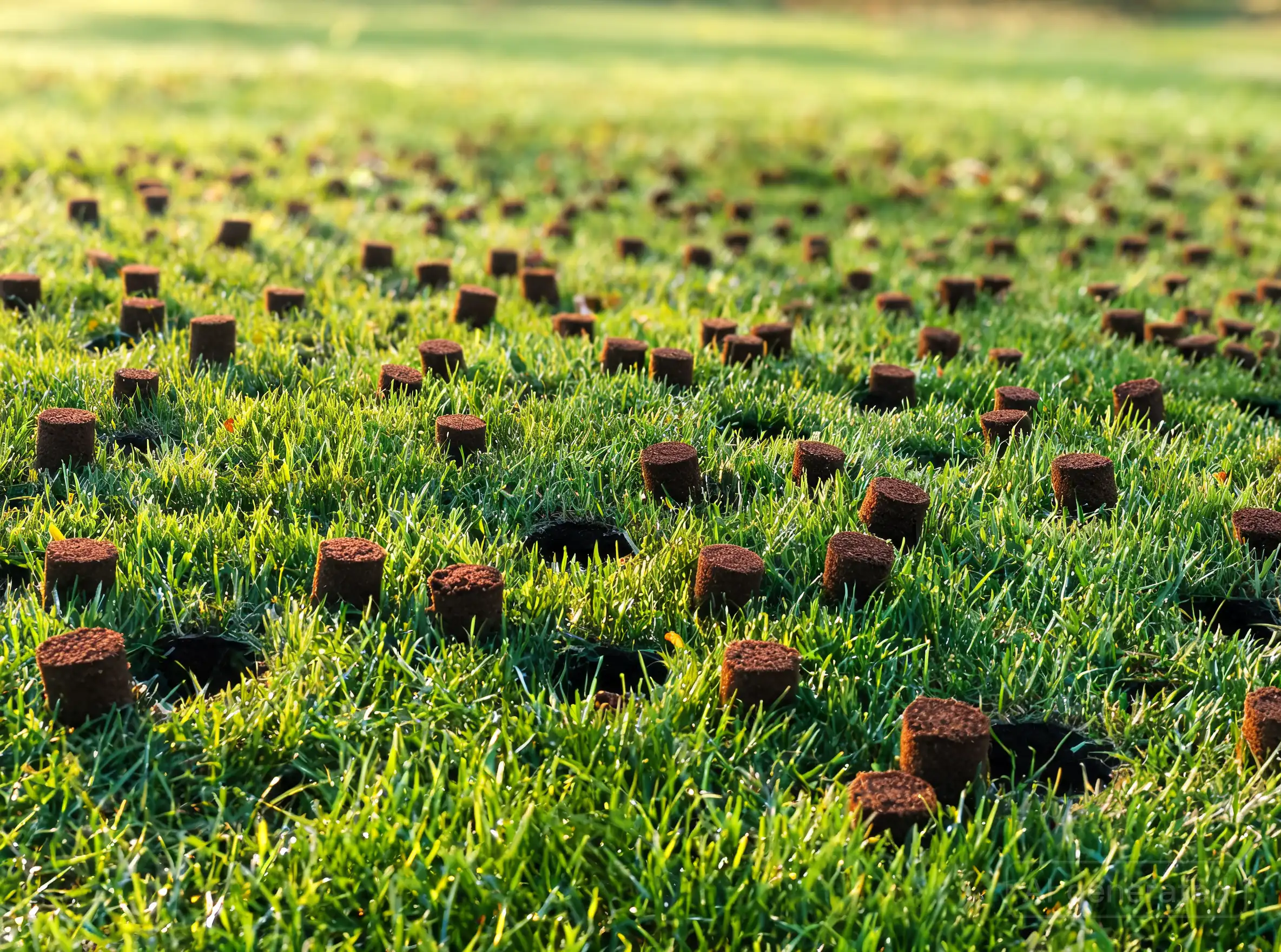
Lawn Aeration
Core aeration that opens up Saskatoon clay so water, air, and roots can get down.
May and September
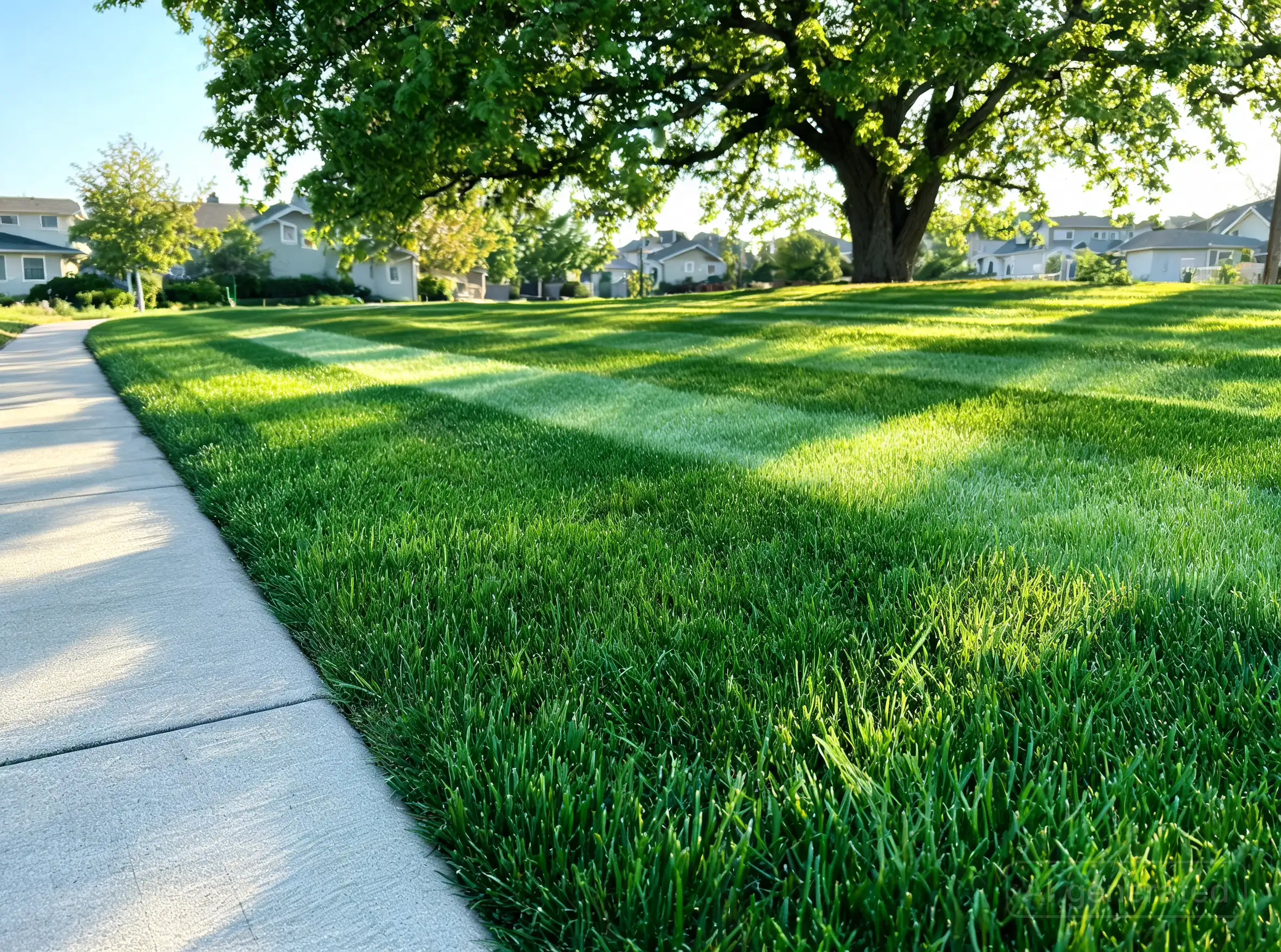
Lawn Care
Weekly mowing, trimming, and seasonal lawn maintenance across Saskatoon and area.
May through September
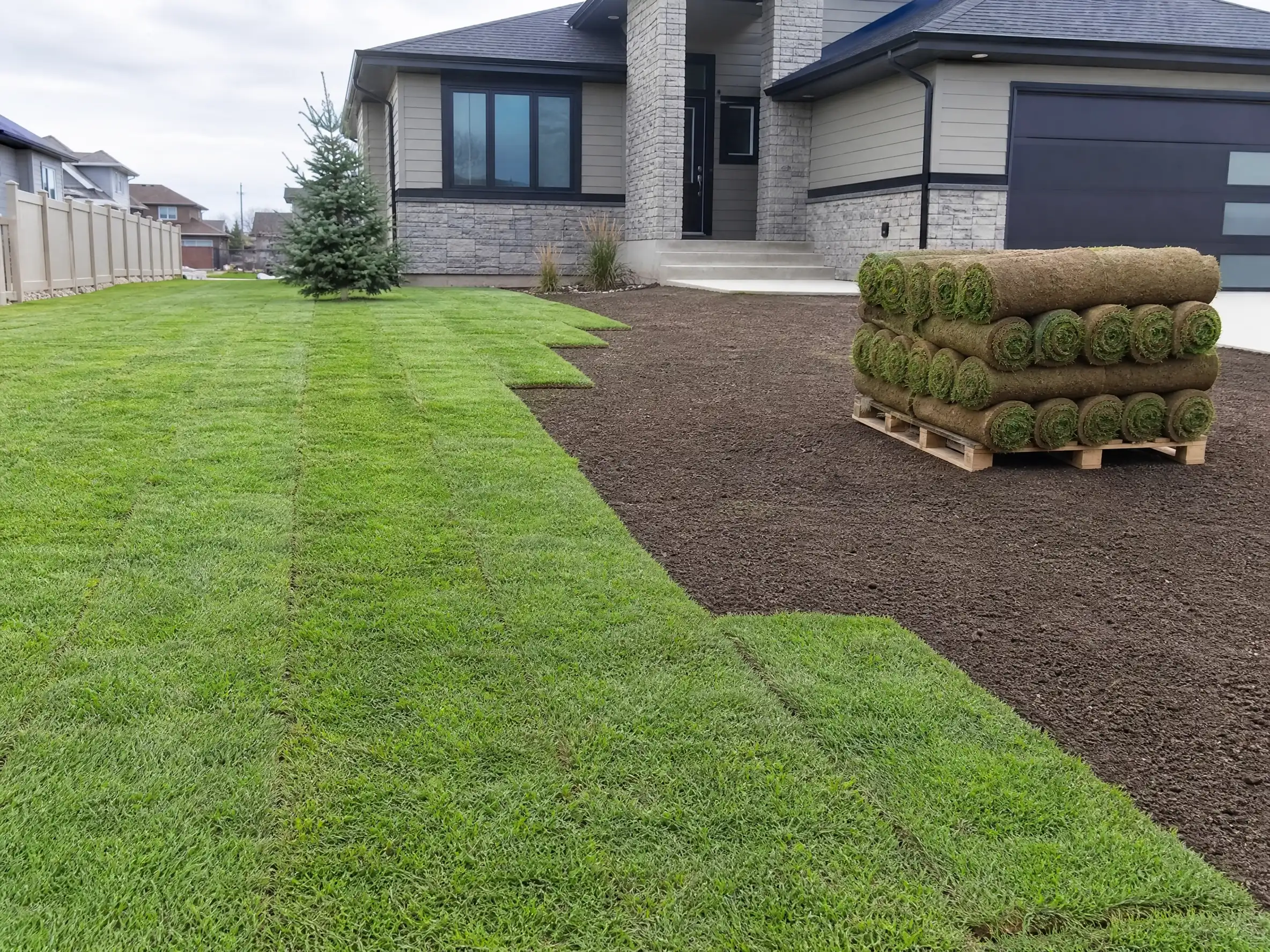
Sod Installation
New sod lawns on properly prepared grade and real topsoil depth, not laid over builder clay.
Late May through September
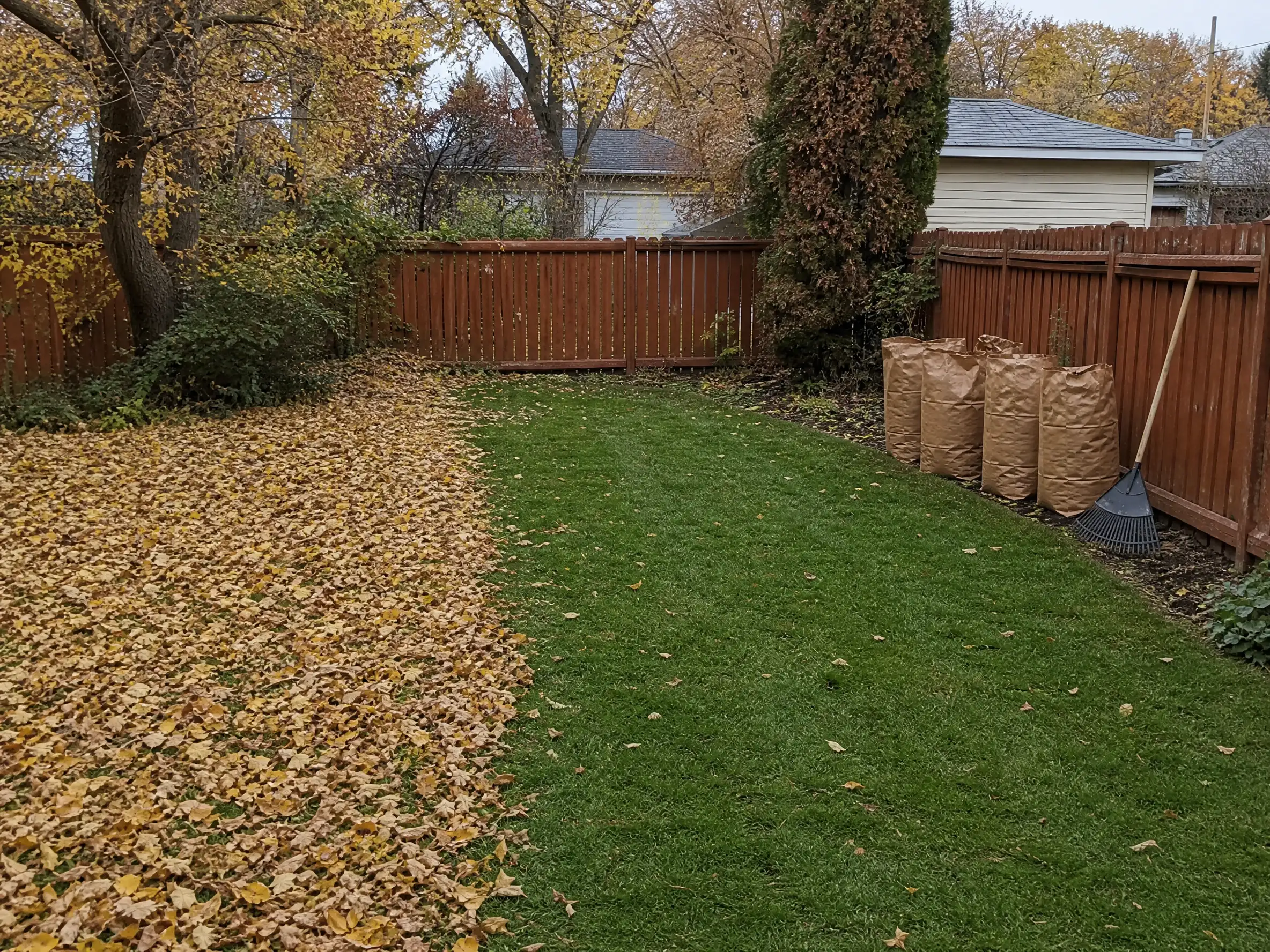
Yard Cleanup
Spring and fall yard cleanups with all debris hauled off the property.
April–May and September–October