Year-round
Screw Piles in Saskatoon
Helical screw piles for decks, fences and additions — installed to depth in a day, no concrete cure.
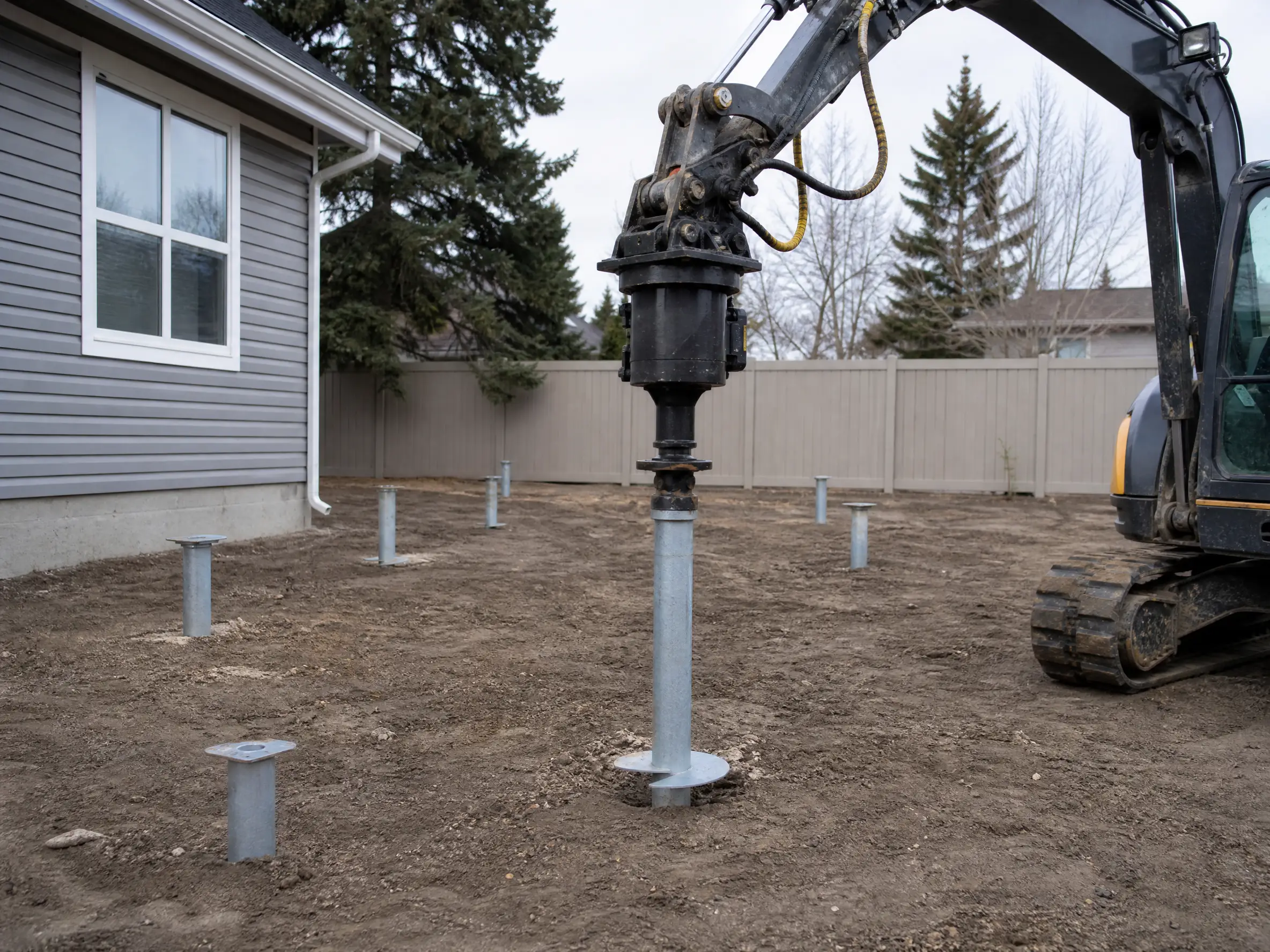
We install helical screw piles for decks, fences, additions, and small structures across Saskatoon and the surrounding communities. On prairie ground where the frost drives deep, a pile turned down past the frost line holds a structure still through the annual heave that lifts shallow concrete footings and racks a deck within a few winters. Homeowners choose piles when they want the footing done in a day, with no excavation spoil and no concrete cure.
What Is a Screw Pile and How Is It Installed?
A screw pile — also called a helical pile — is a steel shaft with one or more helical plates welded near its tip. It is turned into the ground by a hydraulic drive head on a machine rather than dug or poured, so it advances like a large screw until the plates are bearing in stable soil below the frost line.
Installation is measured rather than eyeballed. The drive head reads the torque required to keep turning, and torque correlates with the bearing capacity of the soil the plates are in. That means a pile can be certified to a load rather than assumed to be deep enough — which is something a hand-dug hole with concrete in it cannot offer.
Once the piles are at depth they are cut to a common elevation and fitted with brackets that receive the beam or post. The structure can be built on them the same day, because there is no concrete to cure and no backfill to settle.
When Do Screw Piles Make Sense in Saskatoon?
Decks are the most common use in Saskatoon, and the reason is frost. A deck on footings that stop above the frost line is lifted every winter and dropped every spring, and after several cycles the frame racks — doors bind, stairs pull away, and the whole structure feels loose. Piles turned past that depth take the deck out of the moving zone entirely.
They are also the answer on difficult access and difficult ground. A back yard a concrete truck cannot reach, a tight side yard, sloped ground, or a site where a metre of excavated clay spoil has nowhere to go — piles solve all of those, because nothing comes out of the hole and nothing has to be trucked in.
Fences on exposed prairie sites are the third case. A six-foot privacy fence is effectively a sail in Saskatoon wind, and piles resist both the wind load and the frost jacking that pushes shallow-set posts out of plumb a little more each year.
Why Do Concrete Footings Fail on the Prairies?
Frost jacking is the mechanism, and it is not about the cold reaching the bottom of the footing. Water in the soil freezes and grips the sides of a footing or post, and as the frozen layer expands it drags the whole thing upward. A footing with a wide top and a narrow base is particularly easy to lift. Each winter lifts it a little more and it never fully settles back.
Saskatoon clay makes it worse than sandy ground would. Clay holds a great deal of water to freeze and grips hard when it does, so the uplift force on a footing here is substantial. This is why the standard advice found online — much of it written for climates with shallow frost — produces decks that fail in their third or fourth winter here.
The second failure is simply depth. Digging a hole deep enough by hand in Saskatoon clay is genuinely hard work, and a footing that stops a foot short of where it should be looks identical on the day the deck is finished. Nobody discovers the shortfall until the structure starts moving.
What Affects the Cost of Screw Piles in Saskatoon?
Pile count is the main driver, and it comes from the structure rather than from preference — the size of the deck, the beam spans, and the loads it has to carry all set how many piles are needed and where. A designer or the deck build itself determines the layout before piles are priced.
Pile size and depth are the second factor. A larger shaft, a bigger helix, or ground that requires going deeper to reach adequate bearing all increase the cost per pile. Ground conditions vary across the city and are not fully known until the first pile goes in, which is why torque monitoring matters.
Access is the practical constraint. A yard the drive machine can reach is efficient; a gated back yard needs smaller equipment, and a very tight site may not be pile-able at all. This is worth establishing before design rather than after.
Against that, screw piles remove costs that concrete carries: no excavation spoil to haul away, no concrete delivery, no cure time, and no weather delay waiting for a pour window. On a mid-sized deck the installed comparison is often much closer than the per-unit price suggests.
Screw Piles or Concrete Footings — Which Should I Use?
Choose screw piles when access is difficult, when you want the structure built immediately rather than waiting on a cure, when the ground is sloped, or when you want a footing whose capacity was measured rather than assumed. In Saskatoon that covers most residential decks, and it is why piles have become the default here rather than the premium option.
Choose poured concrete when the site is open and easy for a truck, when the structure is small enough that hand-digging to full depth is realistic, or when a specific engineered detail calls for it. Poured footings are proven and there is nothing wrong with them — the failures in this city come from footings that were not taken deep enough, not from concrete as a material.
The one thing not to do is split the difference. A deck part-supported on piles and part on shallow footings moves differentially, which is worse than either approach on its own, because the structure is being pulled apart rather than lifted evenly. If you are adding to an existing deck, match what is already under it or replace the footings entirely.
Where Does This Fit With the Rest of the Yard?
Screw Piles is rarely the only thing a property needs, and the order the work happens in matters more on Saskatoon clay than most people expect. Ground comes first: if water is pooling or running toward the house, grading and drainage is the job to do before anything you can see. Buried services like irrigation go in before surfaces, and sod goes down after the hard landscaping rather than before it.
The jobs most often quoted alongside this one are deck building, fence installation and excavation, grading & earthworks. Doing them in one visit is usually cheaper than bringing equipment back, because the mobilisation and the machine access are paid for once.
If you are planning the whole property rather than one job, start with a landscape design so the phases are sequenced before anything is built. Otherwise, the full service list covers everything we do, the cost guides explain what drives each price here, and the how-to guides are written for Saskatchewan timing rather than the milder-climate advice most search results give you. We work across Saskatoon and the surrounding area, including Warman, and every quote is free and given on site.
Frequently Asked Questions
How deep do screw piles go in Saskatoon?
Below the local frost line, and beyond that to whatever depth the torque readings show adequate bearing. Prairie frost drives deep, so this is considerably further down than the standard advice written for milder climates suggests. The depth is determined on site by the ground rather than fixed in advance.
Are screw piles better than concrete for a deck?
For most Saskatoon residential decks, yes — they can be installed in difficult access, they need no cure time, they produce no excavation spoil, and their capacity is measured by torque rather than assumed. Poured concrete is not a bad material; the failures here come from footings that were not taken deep enough.
How much do screw piles cost?
They are priced per pile, and the total depends on how many the structure needs, the pile size, and the depth required to reach bearing. Compare the installed total against concrete rather than the unit price — piles remove excavation spoil, concrete delivery, and cure time from the job.
Can screw piles be installed in winter?
Often yes, which is one of their real advantages here. Piles can frequently be turned when the ground is frozen at the surface, and there is no concrete that needs above-freezing temperatures to cure. Deeply frozen ground does make the work harder and it is assessed case by case.
How long does a screw pile installation take?
A typical residential deck's piles usually go in within a day once the machine is on site and the layout is set. Because there is no cure, framing can start immediately afterwards — that compression of the schedule is often worth more to people than the material cost difference.
Do screw piles need a permit?
The piles themselves are part of the structure they support, so the permit follows the deck, fence or addition. Decks above a certain height and size need a building permit in Saskatoon and are inspected, and the footing detail is part of what is reviewed. Utility locates are required before any pile goes in.
Can screw piles be removed or reused?
Yes, which is unusual for a foundation. A pile can be turned back out of the ground and, if undamaged, reused elsewhere. That makes them worth considering for anything temporary, and it means a deck removal later does not leave concrete blocks buried in the yard.
Will screw piles work in Saskatoon clay?
Yes — clay is generally good pile ground because the helix bears well in it. What varies is the depth needed to reach consistent bearing, which is why torque is monitored during installation rather than driving every pile to a fixed depth and hoping.
Can you put piles under an existing deck that has heaved?
Often yes. A deck that has racked because its footings were too shallow can be lifted, supported on new piles, and re-levelled, which is usually far cheaper than rebuilding. Whether it is worth doing depends on the condition of the frame — we look at that before recommending it.
Do screw piles work for a fence?
Yes, particularly on exposed sites in the newer subdivisions and on acreages, where wind load and frost jacking together push conventional posts out of plumb within a few years. They cost more per post than setting posts conventionally, so they are usually specified where the exposure justifies it.
Get a free screw piles quote
Tell us what you need and where the property is. We come out, look at the ground, and give you a written scope and price — no charge and no obligation.
- Free on-site quotes across Saskatoon
- Prairie-hardy plantings that survive zone 3b winters
- Licensed, insured, and WCB-covered
- One crew for summer yard work and winter snow
- Written scope before a shovel goes in the ground
Related services
Most screw piles jobs in Saskatoon come with one or two of these attached — it is usually cheaper to do them in the same visit than to bring equipment back.
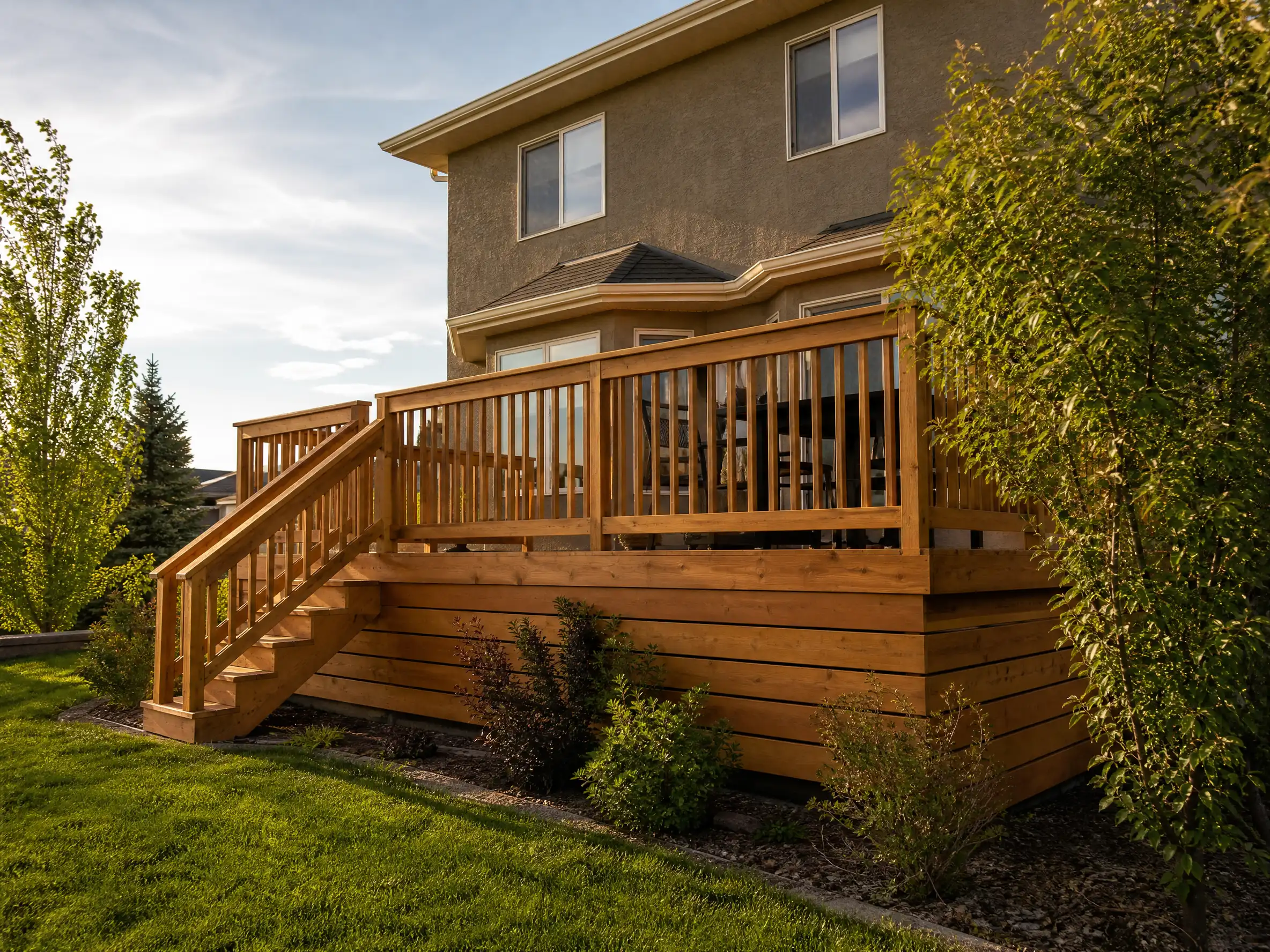
Deck Building
Cedar and composite decks built on footings that go below prairie frost line.
May through October
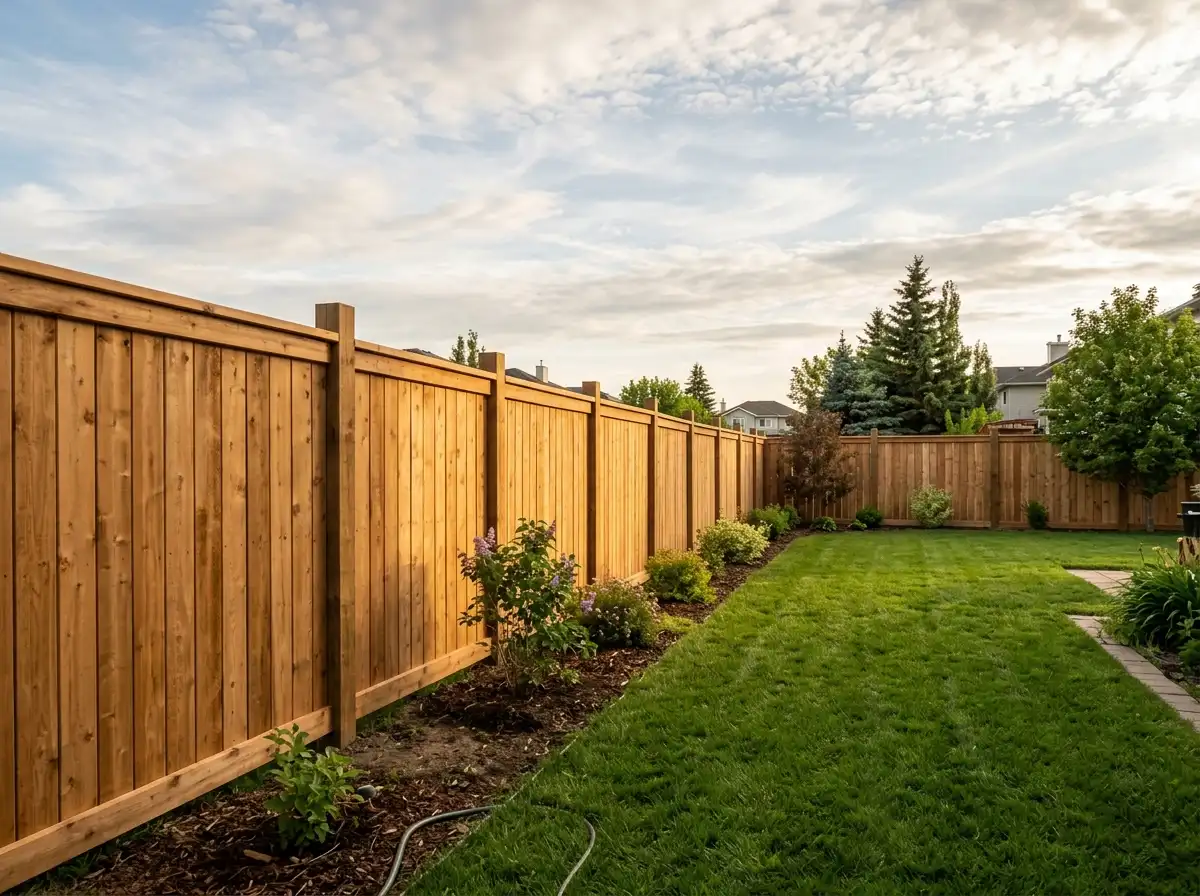
Fence Installation
Wood, vinyl, and chain link fencing set on posts deep enough not to heave.
May through October
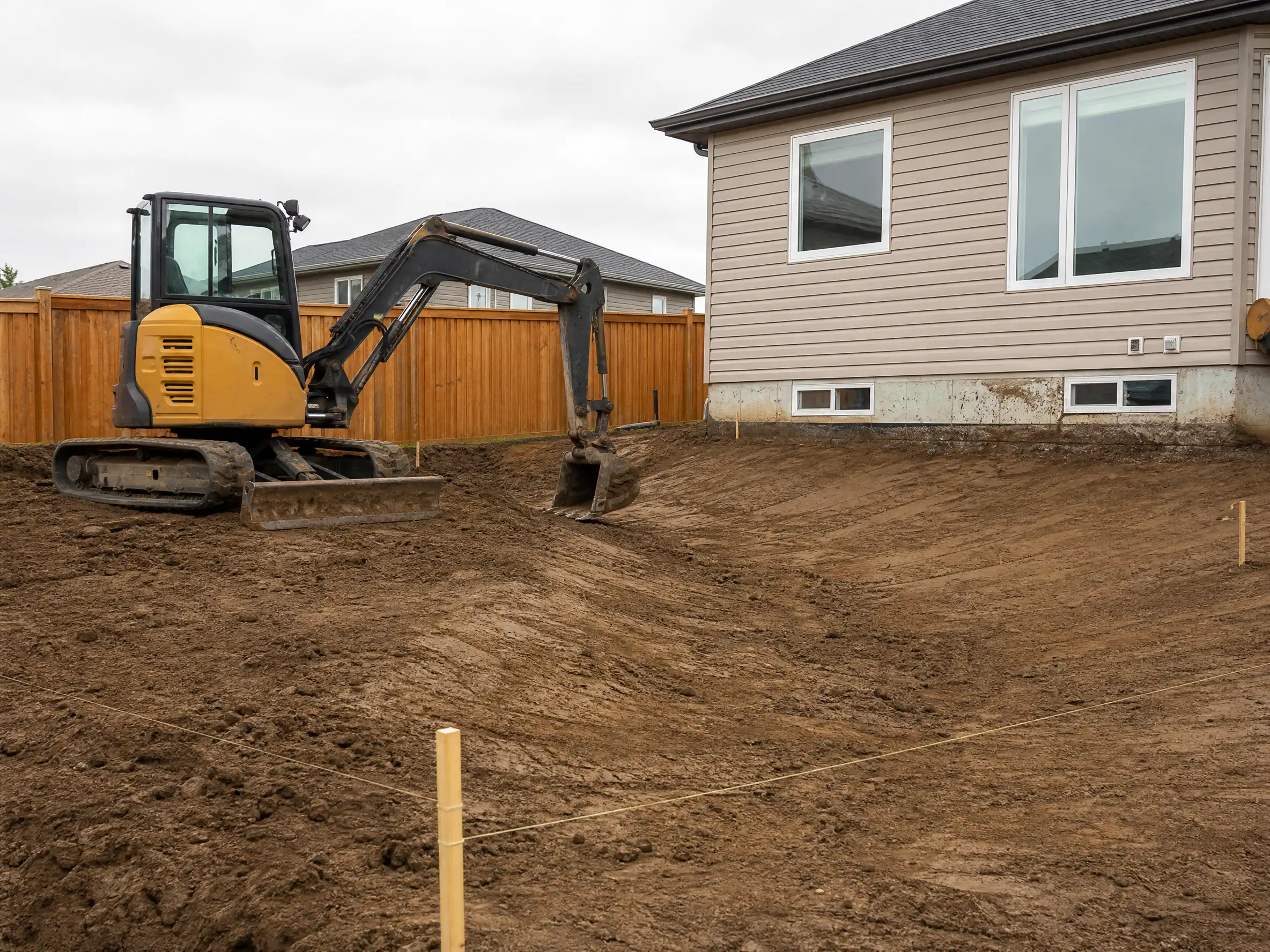
Excavation, Grading & Earthworks
Yard grading, earthworks and drainage correction that moves water away from your foundation.
May through October
Paving Stones & Patios
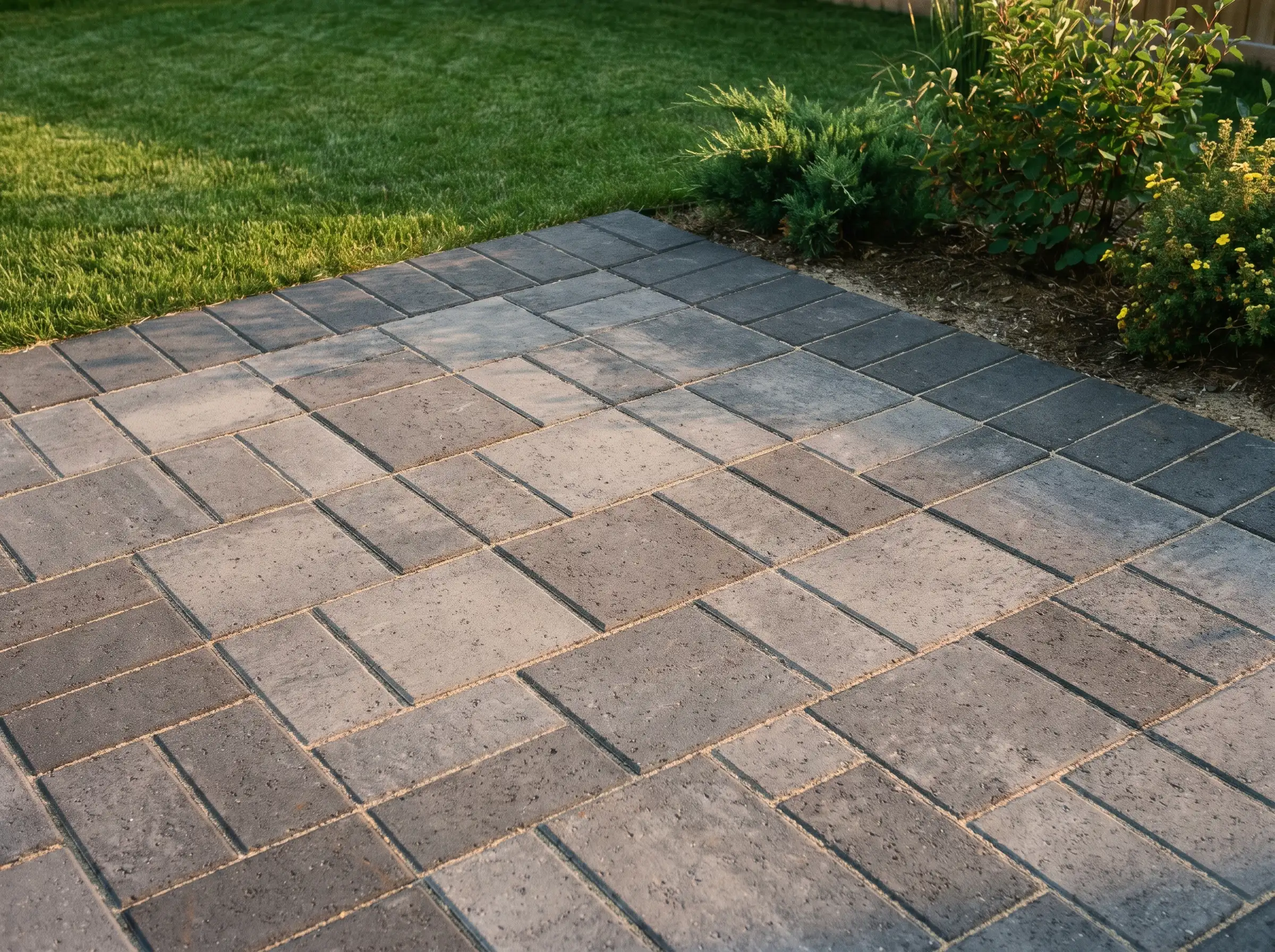
Paving stone patios, walkways, and driveways built on a base that handles prairie frost.
May through October

Landscape Design
Full yard plans with prairie-hardy planting, built around how you actually use the space.
Year-round (design); May–October (build)